


By Kasper Bladt-Laursen
Family Sleep Advocate & Entrepreneur
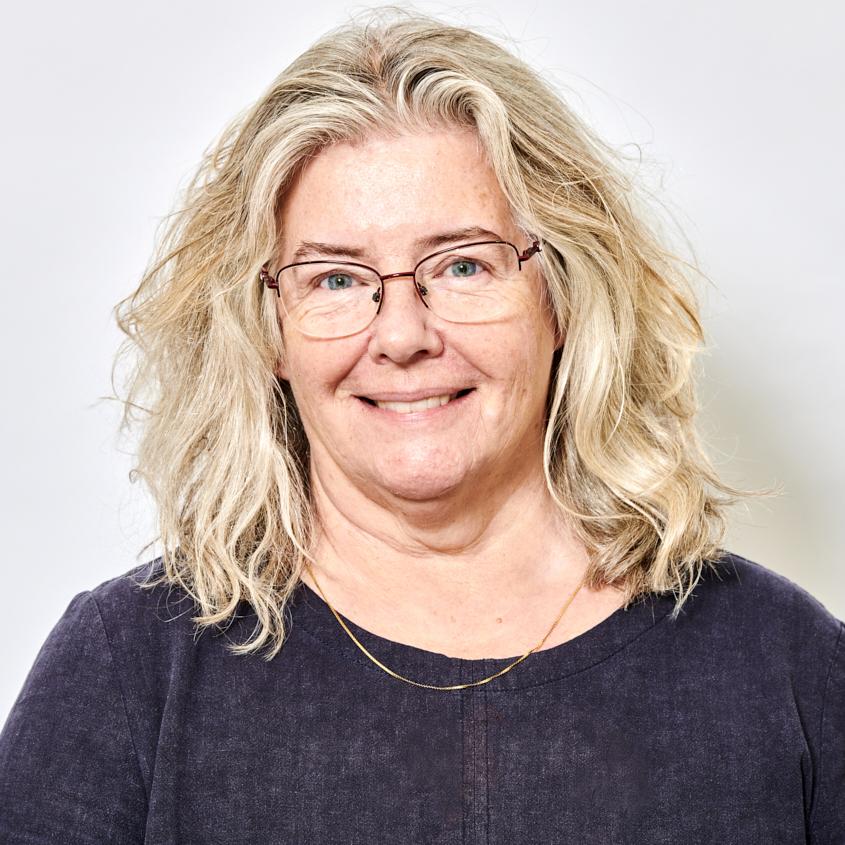 Prof. Helen Ball
The Conversation We Need to Have
For decades, parents have been told a simple message: never share a bed with your baby. This blanket advice, while well-intentioned, has had unintended consequences. Parents who fall asleep with their babies on sofas — which is genuinely dangerous — because they're afraid to bring the baby into a prepared bed. Mothers who struggle with breastfeeding because they're fighting their biology. Families wracked with guilt for doing what humans have done for millennia.
It's time to look at what the research actually says.
Myth: All Bedsharing Is Equally Dangerous
Fact: Research clearly shows that the risk of bedsharing varies enormously depending on the circumstances. The landmark Blair et al. (2014) study found that when you remove hazardous factors — smoking, alcohol, drugs, and sofa-sleeping — the remaining risk for bedsharing is not statistically significant.
The adjusted odds ratio was 1.1 (95% CI: 0.6–2.01). In plain language: when bedsharing is done safely, the risk is comparable to crib sleeping.
Myth: Western Countries Don't Co-Sleep
Fact: Studies consistently show that 40–70% of families in Western countries practice some form of co-sleeping, whether planned or unplanned. In Japan, where co-sleeping is the cultural norm, SIDS rates are among the lowest in the world.
The difference isn't whether families co-sleep — it's whether they're given the information to do it safely.
Myth: Babies Sleep Better Alone
Fact: Professor Helen Ball's research at Durham University has shown that breastfed babies who bedshare actually feed more frequently but for shorter durations, and both mother and baby get more total sleep. The frequent micro-arousals associated with bedsharing are believed to have a protective effect against SIDS.
Dr. James McKenna's sleep lab research has demonstrated that mother-infant pairs who bedshare synchronize their sleep cycles, creating a regulatory system where the mother's breathing, heartbeat, and movements help regulate the baby's own physiological systems.
Myth: The C-Curl Position Is Just a Theory
Fact: The protective C-curl (or "cuddle curl") position has been documented in multiple independent research studies. Professor Helen Ball's team at Durham University used infrared video analysis to confirm that breastfeeding mothers consistently adopt this position, regardless of cultural background.
In this position:
Importantly, this behavior is specific to breastfeeding mothers — which is one reason why breastfeeding is a key criterion in the Safe Sleep Seven.
What Actually Causes Risk?
The evidence points to specific, identifiable risk factors:
1. Smoking — the single strongest modifiable risk factor for SIDS, regardless of sleep location
2. Alcohol and drug impairment — reduces the parent's ability to respond to the baby
3. Sofa-sleeping — the most dangerous sleep surface for a baby, with risk up to 67 times higher
4. Soft or unsafe surfaces — waterbeds, memory foam, heavy blankets, gaps between mattresses
5. Prematurity or low birth weight — these babies may have different arousal patterns
The Way Forward
The shift in guidance is already happening. UNICEF UK now provides nuanced information about bedsharing rather than blanket prohibition. The UK's Baby Sleep Information Source (BASIS) at Durham University offers evidence-based guidance for informed decision-making. Countries like Japan, Sweden, and increasingly the UK recognize that supporting safe bedsharing is more effective than prohibition.
The goal should not be to eliminate bedsharing — which is biologically normal and practiced by the majority of the world's families — but to eliminate the hazardous circumstances that make it dangerous.
A safe sleep surface is fundamental to this approach. Purpose-built family beds that eliminate gaps, provide firm support, and offer washable covers represent a practical solution that aligns with the research.
Discussion (0)
No comments yet. Be the first to share your thoughts!